Emergency Head and Chest Trauma Management in Kadi
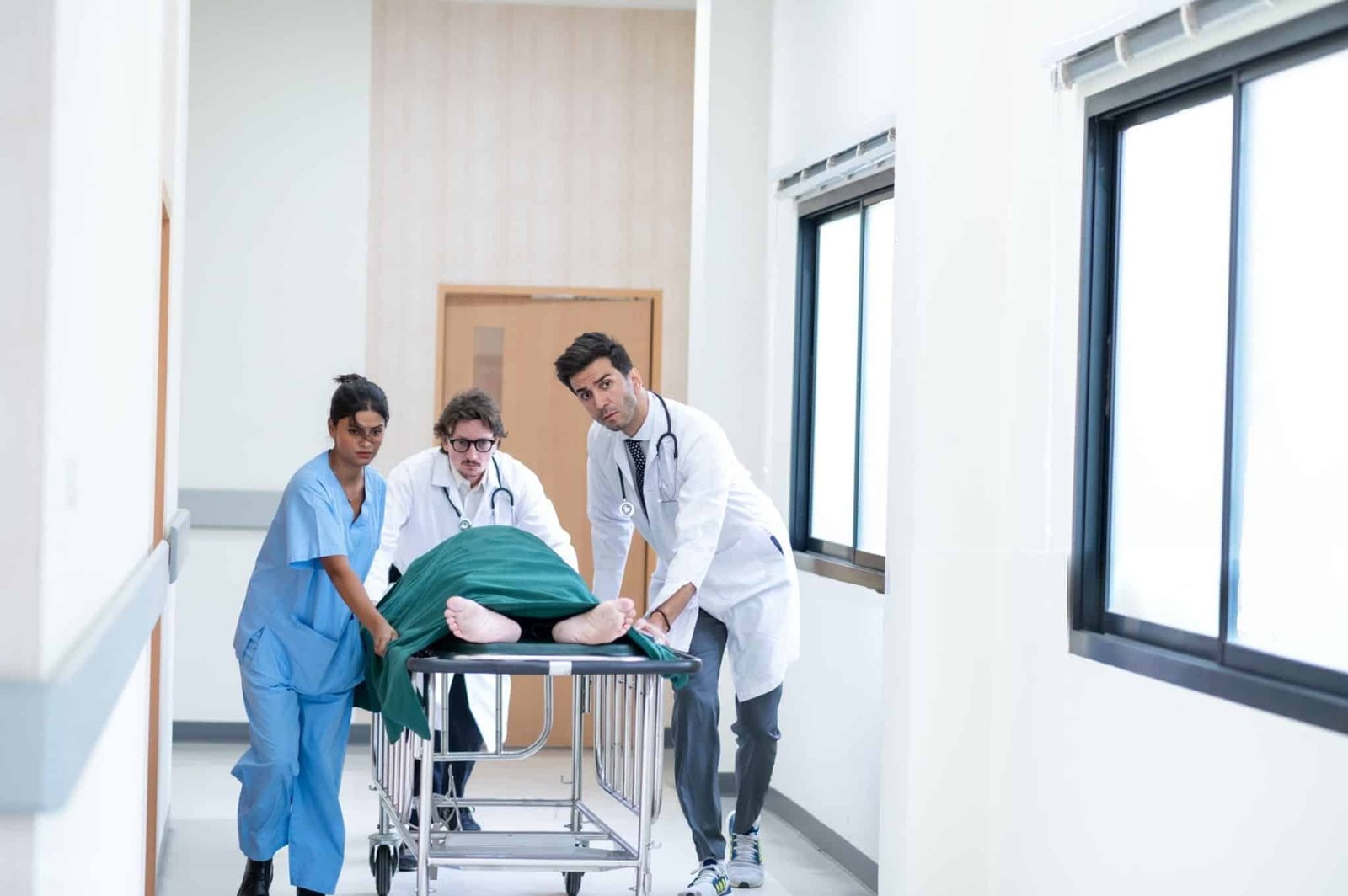
High-velocity road traffic accidents, industrial mishaps, and severe falls frequently result in combined head and chest trauma. Because these injuries directly involve critical organ systems—the central nervous system, lungs, and heart—rapid emergency evaluation, stabilization, and multi-specialty intervention are essential to preserve life and prevent secondary organ damage during the vital Golden Hour.
At Satyam Surgical and Orthopedic Hospital, located on Nani Kadi Road in Kadi, Gujarat, we provide 24/7 emergency trauma care. Equipped with a fast-track triage bay, advanced diagnostic monitoring, modular operation suites, and experienced emergency teams, we deliver immediate stabilization and definitive management for polytrauma patients across Kadi, Mahesana, and neighboring industrial regions.
What is Emergency Head & Chest Trauma Management?
Head and chest trauma management involves the rapid systematic assessment, airway and breathing stabilization, neurological monitoring, and surgical or conservative treatment of acute injuries affecting the craniomaxillofacial region, brain, thoracic cage, and pulmonary system.
Emergency care follows Advanced Trauma Life Support (ATLS) protocols to immediately address life-threatening breathing or circulation compromises before addressing secondary orthopedic or soft-tissue injuries.
Common Conditions Managed:
-
Concussions & Mild Traumatic Brain Injuries (TBI): Transient loss of consciousness, confusion, or severe headache following direct head strikes.
-
Skull & Facial Bone Fractures: Traumatic fractures of the cranial vault, nasal bones, jaw, or orbital rims.
-
Intracranial Hemorrhages & Contusions: Acute extradural, subdural, or intracerebral bleeding requiring urgent neurological evaluation and monitoring.
-
Rib & Sternum Fractures: Structural fractures of the chest wall causing severe pleuritic chest pain and breathing restriction.
-
Flail Chest: Severe chest wall instability resulting from multiple contiguous rib fractures broken in multiple places.
-
Pneumothorax & Hemothorax: Traumatic accumulation of air or blood inside the pleural cavity surrounding the lungs, causing lung collapse.
-
Pulmonary & Myocardial Contusions: Bruising of the lung tissue or heart muscle due to blunt chest compression.
Emergency Interventions & Services:
At Satyam Surgical and Orthopedic Hospital, our trauma facilities are structured for rapid polytrauma response:
-
24/7 Emergency Triage & Resuscitation: Immediate stabilization of vital signs, supplemental oxygen therapy, and fluid resuscitation.
-
Intercostal Drain (ICD) / Chest Tube Insertion: Emergency bedside drainage of accumulated air or blood to re-expand collapsed lungs.
-
Cervical Spine & Head Stabilization: Advanced spinal boarding and immobilization to prevent secondary spinal cord damage during head trauma evaluation.
-
Serial Neurological Monitoring: Round-the-clock GCS tracking, pupil monitoring, and intracranial pressure management for concussions and traumatic brain injuries.
-
Multisystem Polytrauma Care: Integrated emergency management when head and chest injuries coexist with complex limb fractures or pelvic trauma.
-
PMJAY Scheme Access: Empaneled under PMJAY (Pradhan Mantri Jan Arogya Yojana), providing cashless emergency trauma treatment for eligible cardholders.
Key Benefits of Early Specialized Trauma Care:
-
Prevention of Secondary Brain Injury: Immediate airway management and oxygen delivery protect vulnerable brain tissue from hypoxia and swelling.
-
Restoration of Lung Capacity: Prompt chest tube insertion relieves tension inside the chest, allowing collapsed lungs to re-expand and oxygenate blood.
-
Early Detection of Internal Bleeding: Continuous vital and clinical monitoring identifies delayed intracranial or intrathoracic bleeding early.
-
Stabilization of Co-Existing Fractures: Once head and chest function are stable, orthopedic surgeons can safely realign associated limb fractures.
-
Lower Mortality & Complication Rates: Immediate resuscitation significantly reduces risks of acute respiratory distress and permanent neurological deficits.
Comprehensive Recovery Pathway:
Step 1: Emergency Resuscitation
Upon arrival, emergency staff secure the patient’s airway, stabilize the cervical spine, administer high-flow oxygen, check GCS scores, perform bedside imaging, and place a chest drainage tube if a pneumothorax or hemothorax is identified.
Step 2: Critical Monitoring & Medical Management
-
First 24 to 48 Hours: Hourly neurological checks, serial blood gas analysis, systemic pain control for rib fractures, and continuous cardiac/respiratory monitoring.
Step 3: In-Hospital Recovery & Chest Rehabilitation
-
Days 3 to 7: Transitioning off chest tube drainage once lungs are fully expanded, initiating deep-breathing exercises (incentive spirometry) to prevent pneumonia, and gradual sitting/standing supported by nursing staff.
Step 4: Outpatient Rehabilitation & Follow-Up
-
Weeks 2 to 6: Suture removal for procedural wounds, follow-up chest X-rays to verify rib healing, and structured physical therapy to restore shoulder mobility and pulmonary capacity.
Why Choose Satyam Surgical and Orthopedic Hospital in Kadi?
-
Experienced Trauma Team: Medical expertise in handling high-impact accident injuries, polytrauma, and chest trauma emergencies.
-
24/7 Emergency Readiness: Triage bays, resuscitation equipment, and surgical teams ready for acute admissions at any hour.
-
Comprehensive Diagnostic Support: Rapid bedside digital X-rays and ultrasound capabilities for fast clinical decision-making.
-
Empaneled under PMJAY: Cashless emergency trauma management for eligible government health cardholders.
-
Strategic Location in Kadi: Situated on Nani Kadi Road, offering quick emergency access for transport from highways, industrial units, and surrounding villages.