Best Bladder Stone Treatment in Kadi
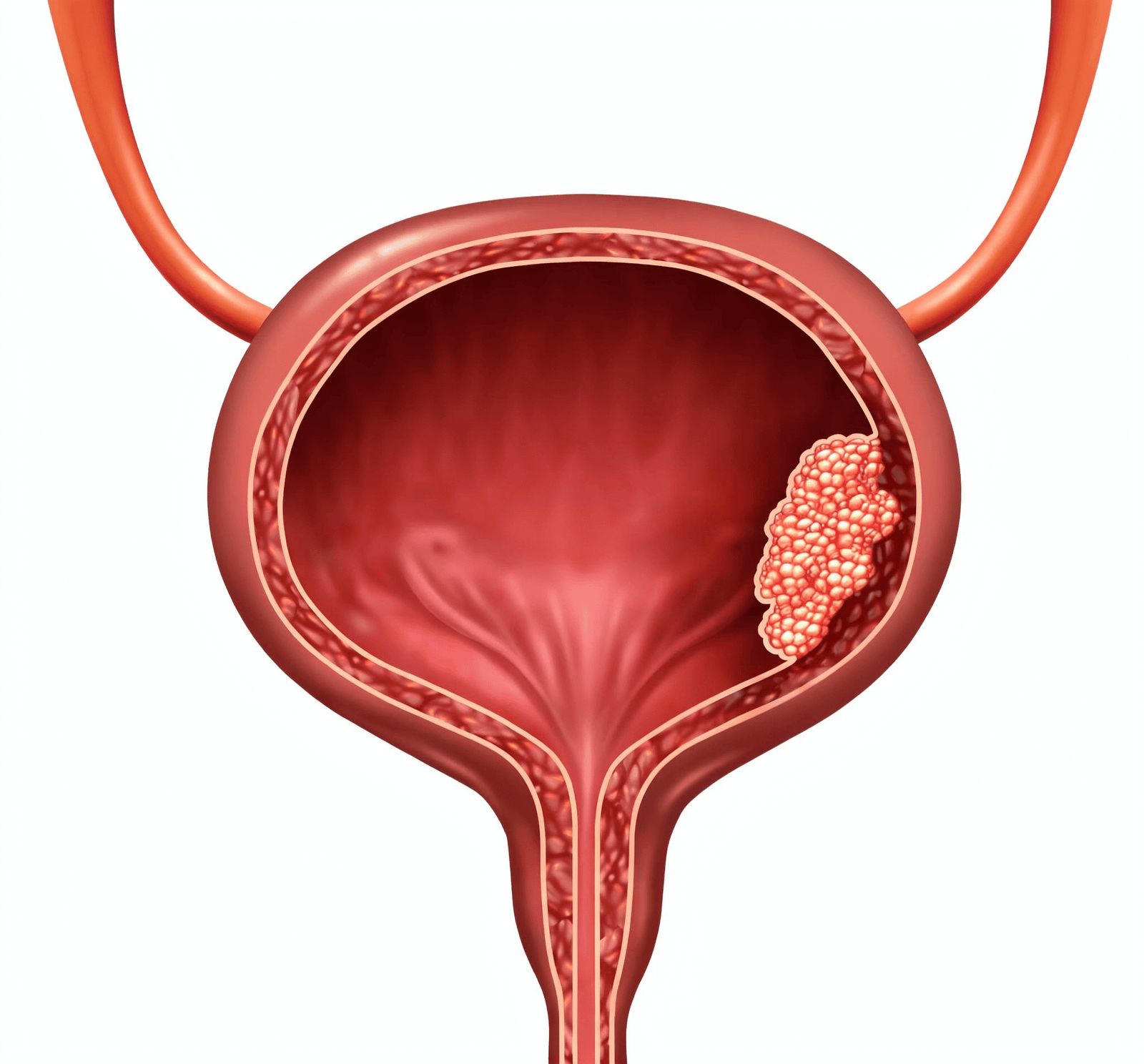
Bladder stones (cystoliths) – hardened mineral masses forming in the urinary bladder—frequently develop when individuals are unable to completely empty their bladder. Satyam Surgical and Orthopedic Hospital in Kadi provides advanced, minimally invasive urological evaluations and treatments, ensuring safe and rapid removal of bladder stones while addressing underlying causes such as prostate enlargement or urinary tract obstructions.
Located on Nani Kadi Road, our multi-specialty facility delivers comprehensive diagnostic accuracy and specialized surgical care to patients suffering from chronic bladder and urinary conditions.
What is a Bladder Stone?
Bladder stones form when minerals in concentrated urine crystallize and accumulate inside the bladder. This typically happens when urine is retained in the bladder for extended periods – often resulting from conditions that obstruct normal bladder emptying, such as an enlarged prostate, neurogenic bladder, or urethral strictures.
While small stones may pass spontaneously through urination, larger stones irritate the bladder wall, cause severe lower abdominal pain, block urine flow, and increase the risk of recurrent urinary tract infections (UTIs).
Common Causes & Risk Factors:
Understanding the root cause of bladder stone formation is essential for preventing recurrence:
-
Benign Prostatic Hyperplasia (BPH): An enlarged prostate in aging men compresses the urethra, preventing complete bladder emptying and causing mineral pooling.
-
Neurogenic Bladder: Nerve damage (due to stroke, spinal cord injury, or diabetes) that impairs normal bladder muscle contraction.
-
Bladder Diverticula: Outpouchings or pouches in the bladder wall where urine collects and forms stones.
-
Urinary Tract Infections (UTIs): Chronic infections alter urine chemistry, encouraging mineral precipitation.
-
Foreign Bodies: Long-term indwelling catheters or foreign objects can act as a core surface where mineral crystals accumulate.
Common Symptoms of Bladder Stones:
Some small bladder stones cause no noticeable symptoms; however, as stones grow or irritate the bladder mucosa, patients typically experience:
-
Lower Abdominal Pain: Dull or sharp suprapubic pain that often intensifies during physical activity or urination.
-
Painful Urination (Dysuria): A sharp burning sensation during urination.
-
Frequent Urination: A persistent, urgent need to urinate frequently, often passing only small volumes.
-
Interrupted Urine Stream: Urine flow that unexpectedly stops and starts during voiding due to the stone physically blocking the bladder outlet.
-
Blood in Urine (Hematuria): Pink, brown, or visibly bloody urine resulting from friction between the stone and the bladder lining.
-
Cloudy or Foul-Smelling Urine: Signs indicating a co-existing bacterial urinary tract infection.
Diagnostic Evaluation at Satyam Hospital:
Precise diagnosis ensures the correct treatment approach for every patient:
-
Cystoscopy: A thin, illuminated scope inserted through the urethra to directly visualize the interior of the bladder and identify stone size, number, and location.
-
Ultrasonography (USG KUB): Non-invasive imaging to detect stones and assess post-void residual urine volume.
-
Computed Tomography (CT KUB): High-resolution imaging to detect even small, radiolucent stones and evaluate structural bladder abnormalities.
-
Urine Culture & Analysis: Screening for bacterial pathogens to treat active infections prior to intervention.
Advanced Bladder Stone Treatments:
Treatment is tailored based on stone size, hardness, and the underlying cause of urine retention:
1. Transurethral Cystolitholapaxy (Minimally Invasive)
For most moderate-to-large bladder stones, a specialized endoscope is passed through the urethra without any external incisions. Ultrasonic, pneumatic, or laser energy is then applied to fragment the stone into tiny pieces, which are safely flushed out or extracted.
2. Open or Laparoscopic Cystolithotomy
For exceptionally large or hard stones—or when underlying anatomical corrections (such as simultaneous prostate surgery for BPH) are necessary—a minimally invasive laparoscopic or open surgical removal is performed through a small lower abdominal incision.
3. Medical Management & Hydration
For microscopic or chemical-specific stones (such as uric acid stones), alkalinizing medications combined with aggressive fluid intake can dissolve stones naturally over time.
Comprehensive Recovery & Prevention Protocol:
Treating the stone is only half the solution; preventing recurrence requires managing the root cause:
-
Prostate Management: Treating underlying BPH surgically or medically to ensure complete bladder emptying.
-
Hydration Protocols: Maintaining daily fluid intake to dilute urinary minerals.
-
Dietary Guidance: Personalized nutrition counseling to limit stone-forming mineral concentrations.