
Medical emergencies and severe trauma accidents happen without warning. Whether it is a high-speed road collision on the Chhatral-Kadi highway, a industrial injury in the local GIDC manufacturing zones, or a sudden home mishap, the actions taken during the initial minutes dictate the long-term recovery of a patient.
In the field of emergency medicine, this critical timeframe is known as the Golden Hour—the first 60 minutes following a traumatic injury during which immediate, effective medical intervention drastically lowers the risk of mortality and permanent disability.
When facing a life-threatening crisis, understanding emergency trauma care steps in kadi and maintaining a strict level of emergency preparedness in kadi can mean the difference between saving a life and suffering irreversible damage.
Understanding the Difference: First Aid vs. Advanced Trauma Care
To handle a medical crisis effectively, one must recognize where home or bystander care ends and advanced medical treatment begins.
- First Aid: Basic, immediate assistance given by a layperson or trained first responder using available resources. Its primary objective is to preserve life, prevent the condition from worsening, and promote initial recovery until professional medical personnel take over.
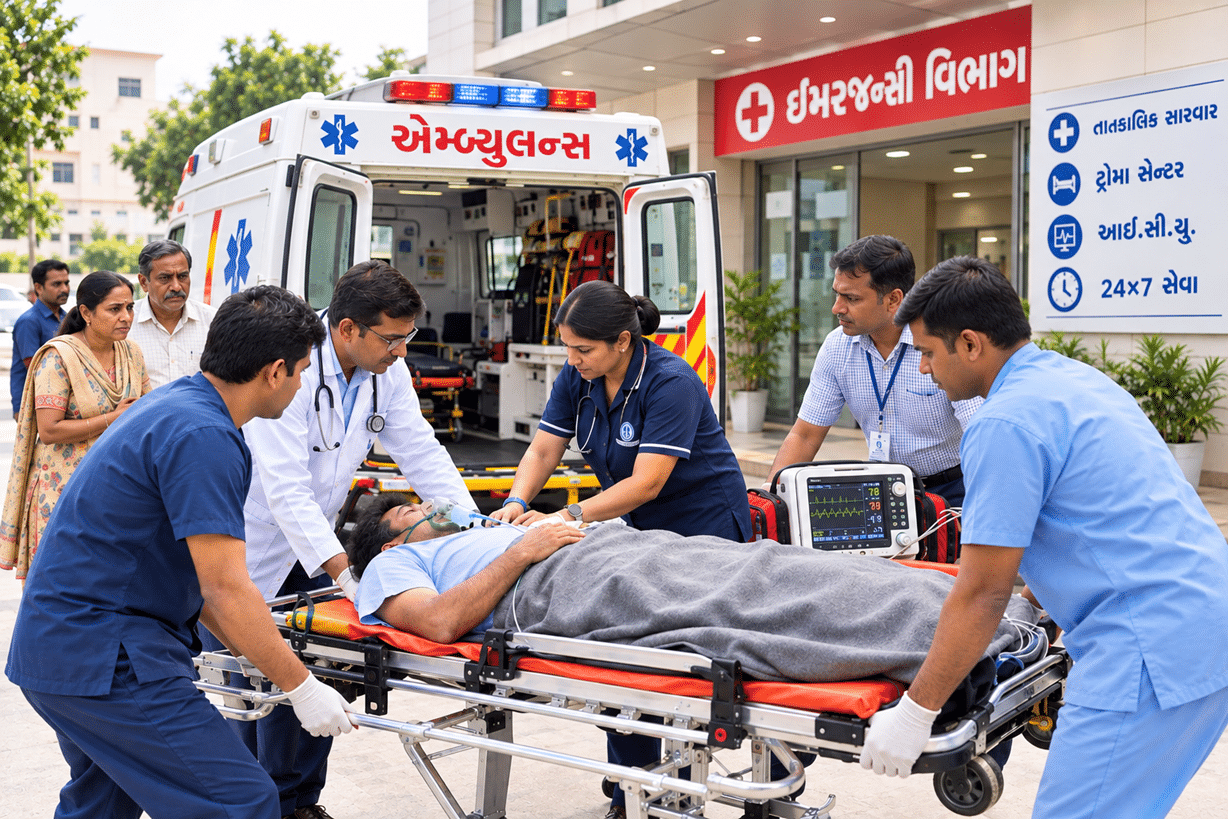
- Doctor-Led Emergency Care: Comprehensive medical care provided by specialized trauma surgeons, emergency medicine physicians, intensivists, and trained critical care nurses within an Advanced Life Support (ALS) ambulance or a Level 1/2 Trauma Center. This phase utilizes advanced diagnostic tools, blood transfusions, airway management, and immediate surgical procedures.
Actionable Emergency Trauma Care Steps in Kadi
If you encounter an accident scene, a severe fall, or a medical crisis, executing the structured DR-ABC protocol prevents panic and stabilizes the patient while transit is arranged.
Step 1: Danger (Ensure Scene Safety)
Before approaching the victim, assess the immediate environment. Check for active traffic, fire, exposed electrical wires, or industrial hazards. Never become a secondary victim; if the area is unstable, wait for trained emergency services or move the victim only if staying poses an immediate threat to life.
Step 2: Response (Check Consciousness)
Gently tap the patient’s shoulders and ask loudly, “Are you okay?”
- If the person responds, keep them still and assess their injuries.
- If the person is unresponsive, call for help immediately and alert a local multi-specialty hospital trauma team.
Step 3: Airway (Open and Protect)
An unconscious patient’s tongue can slip back and block their airway. If spinal injury is not suspected, use the Head-Tilt, Chin-Lift technique. However, in high-velocity road traffic accidents (common on industrial routes in Kadi), always assume a cervical spine (neck) injury. Use the Jaw-Thrust method without twisting or tilting the head to prevent paralysis.
Step 4: Breathing (Assess Airflow)
Look for chest movement, listen for breath sounds, and feel for air on your cheek for 10 seconds. If the patient is not breathing or is only gasping abnormally, initiate CPR (Cardiopulmonary Resuscitation) if trained, or alert the emergency dispatch team for guided instructions.
Step 5: Circulation (Control Heavy Bleeding)
Severe arterial bleeding can lead to fatal shock within minutes.
- Take a clean cloth, sterile bandage, or towel and apply direct, firm, and continuous pressure over the bleeding site.
- Do not remove blood-soaked cloths; add more layers on top to keep the pressure steady.
- Avoid applying tourniquets unless you are properly trained, as improper application can cause severe tissue necrosis.
Step-by-Step Guide for Specific Medical Emergencies
Different traumatic injuries require tailored immediate responses while waiting for an ambulance.
1. High-Impact Bone Fractures & Dislocations
- Do: Keep the injured limb in the exact position you found it. Support it using improvised splints (stiff cardboard, rolled newspapers, or wooden boards) tied above and below the fracture site.
- Don’t: Never attempt to push an exposed bone back inside or forcefully straighten a twisted, deformed limb.
2. Suspected Head, Neck, or Spinal Trauma
- Do: Keep the patient’s head, neck, and torso completely aligned. Place rolled towels or heavy clothing items on both sides of the head to restrict lateral movement.
- Don’t: Do not pull the patient out of a damaged vehicle by their limbs or allow their head to flop backward.
3. Thermal and Chemical Burns
- Do: Cool the burn immediately under cool, clean running water for at least 10 to 15 minutes. Cover the area loosely with a clean, dry, non-stick cloth or plastic wrap.
- Don’t: Never apply ice, cold butter, toothpaste, turmeric, or oils to burns. Ice damages delicate tissue further, and kitchen remedies increase the risk of severe bacterial infection.
4. Acute Medical Crises (Heart Attack & Stroke)
- Do: Position a conscious heart attack patient in a comfortable semi-seated position with back support. For a suspected stroke (showing facial droop, arm weakness, or slurred speech), lay them on their side in the recovery position to keep their airway clear.
- Don’t: Do not administer solid food, water, or unprescribed home medications. If the patient loses consciousness, their swallowing reflex fails, causing severe aspiration into the lungs.
Critical Errors: What NOT to Do During an Emergency
Avoid these common mistakes to prevent worsening the patient’s condition:
- Moving a Spinal Injury Patient Improperly: Moving an accident victim without rigid spinal support can turn a treatable vertebrae fracture into permanent, life-long paralysis.
- Applying Unsafe Home Remedies: Putting powders, leaves, or dirty cloths on open wounds introduces severe infections that complicate hospital surgical care.
- Offering Water or Food to Unconscious Patients: Pouring water down the mouth of a semi-conscious or fitting individual causes fluid to enter the trachea and lungs, leading to rapid choking or aspiration pneumonia.
- Delaying Professional Medical Transport: Attempting to transport a critical patient in a crowded auto-rickshaw or regular car without oxygen or basic monitoring can prove fatal during transit.
Establishing Emergency Preparedness in Kadi
Building strong emergency preparedness in kadi ensures your family, workplace, or community can handle sudden medical crises efficiently.
1. Curate a Dedicated First-Aid Kit
Keep an accessible kit at home, in your car, and at industrial workplaces containing:
- Sterile gauze pads, roller bandages, and adhesive tape.
- Antiseptic solution (Povidone-iodine or Chlorhexidine).
- Medical-grade trauma shears, safety pins, and tweezers.
- Disposable nitrile gloves and CPR face shields.
- Instant cold packs and triangular bandages for slings.
2. Save Direct Local Helpline Numbers
During a crisis, search engines can cost valuable minutes. Save the direct 24/7 emergency numbers of local multi-speciality hospital trauma centers in your speed dial. Ensure every family member knows how to share their live GPS location via smartphone.
3. Map Fast Emergency Routes
Know the location of nearby hospitals that feature a 24/7 fully equipped Emergency Department, Advanced ICU on Wheels, CT/MRI diagnostic coverage, and full-time trauma surgeons.
Why Choose a Doctor-Led Multi-Speciality Trauma Center?
Once the patient arrives at a dedicated trauma care center, advanced doctor-led protocols take over.
Rapid Triage System
In an emergency department, patients are immediately evaluated by trained doctors using international triage guidelines. High-priority, critical cases (such as severe head trauma, massive internal bleeding, or cardiac arrest) bypass routine registration and receive immediate life-saving care.
Multidisciplinary Specialist Coverage
Severe trauma requires coordinated expertise. Multi-speciality hospitals bring together team-based care under one roof:
- Emergency Medicine Physicians: For immediate stabilization, airway management, and resuscitation.
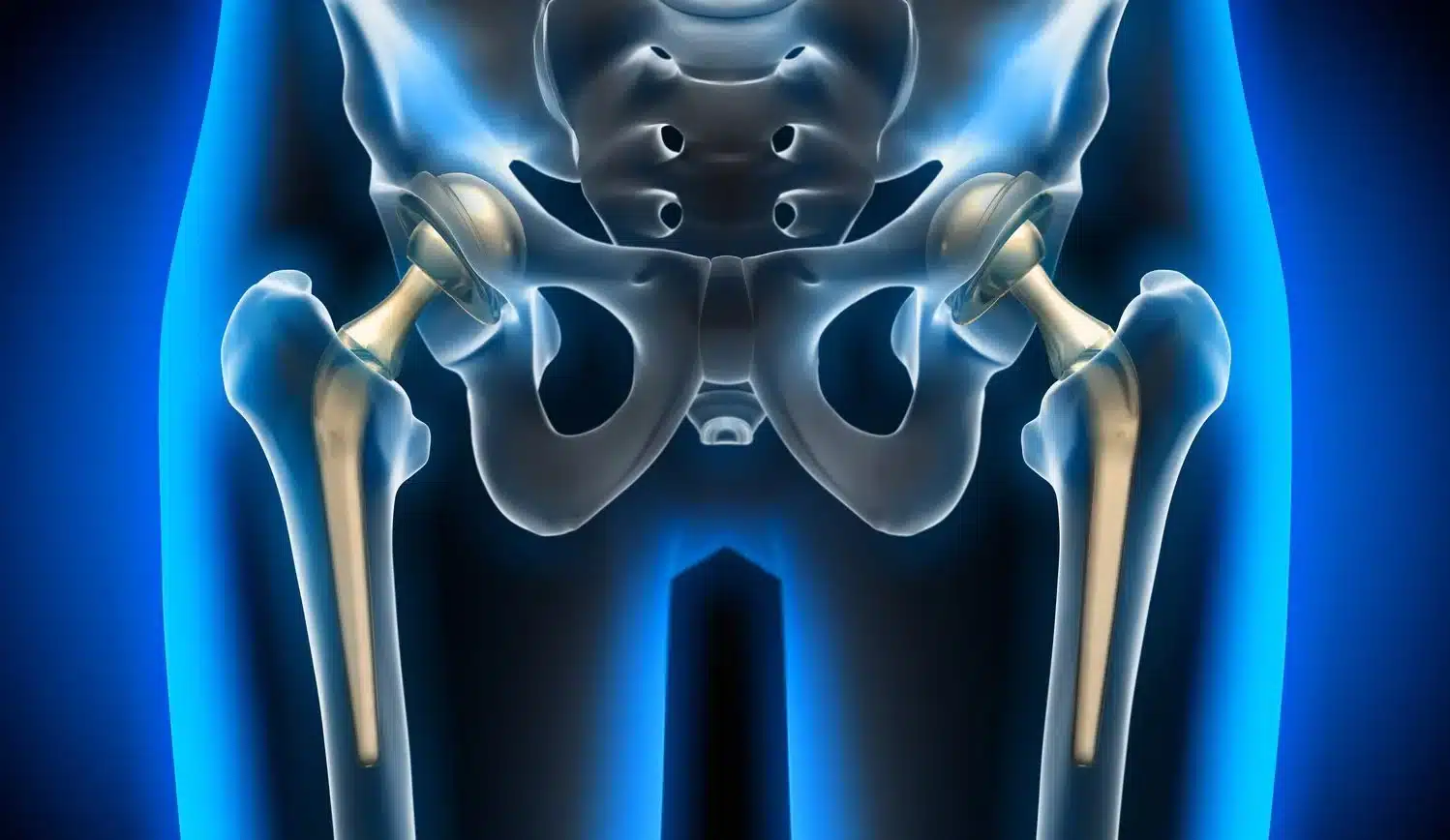
- Orthopedic & Trauma Surgeons: To treat complex fractures, joint dislocations, and pelvic trauma.
- Neurosurgeons: To handle traumatic brain injuries (TBI), skull fractures, and spinal cord trauma.
- General & Vascular Surgeons: For internal organ ruptures, abdominal injuries, and vascular repair.
Advanced Diagnostic & Critical Support Infrastructure
A dedicated trauma facility provides 24/7 access to point-of-care testing, 128-slice CT scans, digital X-rays, fully stocked blood banks, and advanced Trauma ICUs with ventilator support to secure patient recovery.
Frequently Asked Questions (FAQs)
Q1: What should I do first if I witness a road accident in Kadi?
First, ensure the scene is safe for you to enter. Call emergency medical services immediately. Check if the victim is breathing and conscious. If there is severe bleeding, apply firm, direct pressure with a clean cloth while keeping their neck and spine immobilized until help arrives.
Q2: How can I safely transport a person with a suspected spinal or neck injury?
Do not bend, twist, or haul the victim’s body. Use a rigid, flat surface such as a wooden spine board or a firm stretcher, maintaining strict alignment of the head, neck, and trunk. Ideally, wait for an Advanced Life Support (ALS) ambulance equipped with cervical collars and trained paramedics.
Q3: Why is using home remedies on severe burns dangerous?
Applying ice, pastes, oil, or homemade mixtures traps heat within skin tissues, worsening the burn depth. It also contaminates the open wound with bacteria, significantly increasing the risk of serious infection and scarring. Always use cool, clean running water.
Q4: What makes an Advanced Life Support (ALS) ambulance different from a standard ambulance?
An ALS ambulance acts as an “ICU on wheels.” It is staffed by trained medical personnel and equipped with life-support ventilators, defibrillators, cardiac monitors, emergency medications, and airway equipment to stabilize critical patients during transport.
Q5: How do I know if an injury requires immediate trauma care instead of a routine clinic visit?
Seek immediate emergency trauma care if you observe profuse bleeding that doesn’t stop with pressure, loss of consciousness, severe head impact, inability to move limbs, visible bone deformities, severe chest pain, or sudden difficulty breathing.
Dr. Jignesh Patel
Dr. Jignesh Patel is an accomplished General and Laparoscopic Surgeon with extensive expertise in Gastrointestinal (GI) Surgery, Urology, and Surgical Oncology. Dr. Jignesh Patel has expertise in the evaluation and surgical management of a wide range of general surgical conditions. He combines clinical expertise with a compassionate approach to help patients understand their condition and make informed decisions about their treatment.