
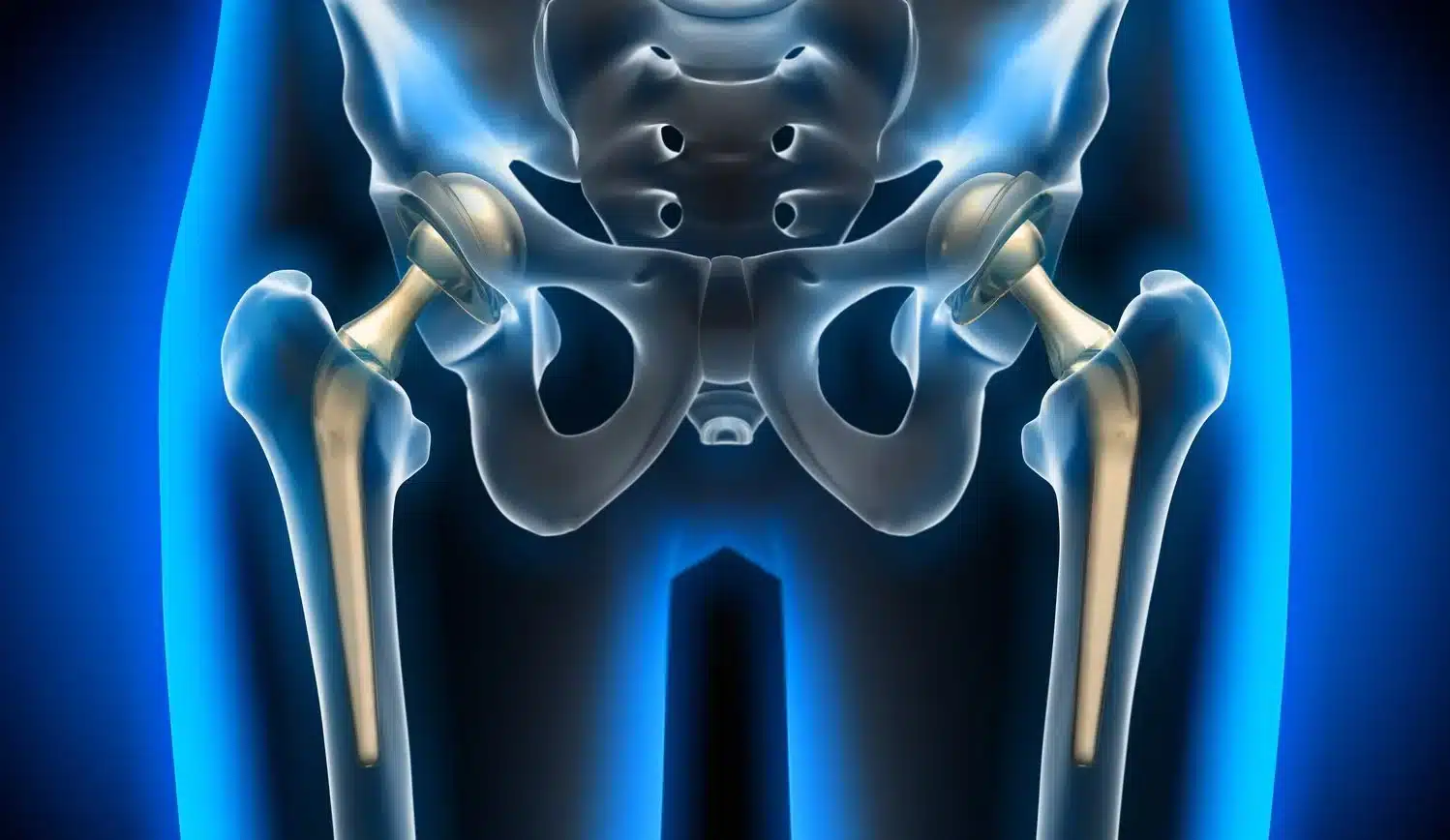

Chronic hip pain caused by advanced osteoarthritis, avascular necrosis, rheumatoid arthritis, or traumatic injury can severely diminish your quality of life. Simple daily movements—like getting out of a car, taking a walk, or climbing stairs—often become excruciating. When conservative treatments such as physical therapy, anti-inflammatory medications, and intra-articular injections fail to deliver relief, joint reconstruction offers a reliable path toward long-term recovery.
A total hip replacement (also known as total hip arthroplasty) removes damaged bone and cartilage and replaces them with prosthetic components. Modern advancements, including robotic navigation, minimally invasive surgical techniques, and durable ceramic-on-polyethylene implants, have made hip replacements one of the most successful surgical procedures in modern medicine.
This guide details what you can expect before, during, and after total hip replacement surgery, helping you prepare step-by-step for a safe recovery.
1. Preparing for Surgery: What Happens Before the Procedure
Preparation plays a critical role in surgical outcomes and post-operative safety. Once your surgeon confirms that joint replacement is appropriate, your pre-operative care program begins.
Medical Evaluation & Pre-Surgical Screening
Before your surgery date, you will undergo a comprehensive health assessment to ensure heart, kidney, and metabolic safety:
- Diagnostic Imaging: Digital X-rays or high-resolution CT scans evaluate your bone density, joint degradation, and anatomical alignment for surgical planning.
- Laboratory Panels: Routine blood checks, urine cultures, and cardiac evaluations (ECG) screen for underlying risks.
- Medication Review: You will be advised when to pause blood thinners, non-steroidal anti-inflammatory drugs (NSAIDs), or specific immunosuppressive medications to lower bleeding risks.
Home & Lifestyle Adjustments
Preparing your living space ahead of time reduces strain during early recovery:
- Remove Tripping Hazards: Secure loose rugs, clear electrical cords from walkways, and ensure bright lighting throughout hallways.
- Install Assistive Devices: Add temporary grab bars inside the bathroom, set up a raised toilet seat, and place a sturdy chair with armrests in your primary living area.
- Setup an Essential Zone: Keep your phone chargers, prescription medications, water, and reading materials within easy reach of your recovery bed or chair.
Pre-Operative Physical Therapy (“Prehab”)
Starting gentle exercises before surgery conditions the quadriceps, hamstrings, and gluteal muscles. Practicing mobility drills under professional guidance makes it easier to use a walker or crutches immediately after your procedure.
2. The Day of Surgery: What Happens During the Procedure
On surgery day, specialized care teams follow strict safety protocols to keep you comfortable and minimize post-surgical pain.
Anesthesia & Patient Comfort
Most hip replacements are performed under regional spinal anesthesia with sedation. Spinal anesthesia numbs the body from the waist down while keeping you relaxed, reducing post-operative nausea and bleeding compared to general anesthesia.
Surgical Techniques & Implants
The procedure typically takes between 60 and 90 minutes. Your surgical team executes three main steps:
Incision & Exposure: The orthopedic surgeon moves muscle tissue aside to access the damaged hip joint while preserving as much surrounding healthy tissue as possible.
Bone Preparation: The damaged femoral head (ball) and acetabulum (socket) are reshaped to fit the prosthesis precisely.
Implant Placement: The femoral component (metal stem) is anchored into the thighbone. The acetabular cup is fitted into the pelvic socket. A durable bearing surface (ceramic or ultra-high-molecular-weight polyethylene) is placed between the new ball and socket to facilitate low-friction motion.
3. Post-Operative Care: Recovery Timeline After Surgery
Recovery begins right in the Post-Anesthesia Care Unit (PACU). Early mobilization helps prevent deep vein thrombosis (DVT) and speeds functional recovery.
Immediate Recovery (Day 1 to Discharge)
- Early Mobilization: Under physical therapy guidance, most patients stand and take short steps using a walker on the day of surgery or within 24 hours.
- Pain Management: Multimodal pain protocols combine regional nerve blocks, oral analgesics, and local cold therapy to minimize discomfort.
- Hospital Stay: Depending on overall health and early mobility, patients are typically discharged within 1 to 3 days.
Early Home Rehabilitation (Weeks 1 to 4)
- Wound Care: Keep the surgical site clean and dry. Staples or modern surgical skin adhesives are usually evaluated at your 2-week checkup.
- Walking Assistance: Patients gradually transition from a walker to a single support cane as hip strength and balance improve.
- Daily Exercises: Prescribed home exercises—such as ankle pumps, quad sets, and standing leg lifts—are essential for rebuilding surrounding muscle groups.
Intermediate Healing & Return to Work (Weeks 5 to 8)
- Walking Unassisted: Most individuals walk comfortably without a cane by weeks 4 to 6.
- Driving: You can usually resume driving around 4 to 6 weeks, provided you are no longer taking narcotic pain medications and have sufficient leg reflexes.
- Work & Daily Tasks: Patients with desk-based jobs often return to work within 3 to 4 weeks. Those with physically demanding occupations may require 8 to 12 weeks before safely resuming heavy work.
Full Recovery (Months 3 to 6+)
By 3 to 6 months, internal tissue healing is well underway. Patients can comfortably enjoy low-impact recreational activities like walking, swimming, cycling, and golfing. Complete soft-tissue remodeling and maximum muscle strength gains typically peak between 6 and 12 months post-surgery.
4. Comparing Surgical Approaches: Anterior vs. Posterior
Your surgeon chooses the approach best suited to your hip anatomy and medical history.
5. Potential Risks & Prevention Strategies
Total hip replacement carries a very high success rate, but remaining aware of rare post-surgical risks helps protect your health:
- Blood Clots (DVT): Prevented using blood thinners, compression stockings, and early, frequent movement.
- Infection: Controlled through sterile operating room environments, preventive intravenous antibiotics, and careful wound hygiene.
- Implant Dislocation: Prevented by avoiding extreme hip flexion or twisting during early healing and placing implants accurately with robotic guidance.
- Leg Length Discrepancy: Minimized through careful pre-operative planning and intra-operative digital measurements.
When to Contact Your Orthopedic Team Immediately:
-
Redness, warmth, or persistent drainage spreading around the surgical incision.
-
Sudden, severe pain or inability to bear weight on the operated leg.
-
Severe calf pain, tenderness, or swelling in the leg.
-
High fever accompanied by chills.
Frequently Asked Questions (FAQs)
1. How long does a modern hip replacement implant last?
With modern ceramic-on-polyethylene bearing surfaces and precise implant positioning, more than 90% to 95% of artificial hip joints last 20 years or more. Avoiding high-impact activities helps maximize the lifespan of your joint.
2. Is total hip replacement painful?
Surgical site discomfort is expected during the first few days, but it is effectively managed with modern multimodal pain medication, cold therapy, and local nerve blocks. Most patients report that their surgical pain resolves within a few weeks, providing relief from chronic arthritic pain.
3. When can I climb stairs safely after hip surgery?
You will practice climbing stairs with a physical therapist before leaving the hospital. Most patients can navigate stairs independently within 1 to 2 weeks post-surgery using a handrail and walking support.
4. What movements should I avoid after a total hip replacement?
During the first 6 to 12 weeks, avoid crossing your legs, twisting your torso sharply at the waist, or bending your hip beyond a 90-degree angle, especially if you had traditional posterior surgery. Your surgical team will provide clear guidelines based on your specific procedure.
5. Why consult an orthopedic surgeon in Kadi for joint replacement?
Receiving joint replacement care locally gives you access to advanced diagnostic imaging, modern surgical techniques, and ongoing, closely monitored rehabilitation without the stress of traveling long distances. Local care ensures continuous support throughout every phase of your recovery.
Reclaim Your Mobility and Live Pain-Free
Total hip replacement is a proven, life-changing procedure designed to restore mobility, eliminate chronic joint pain, and help you return to an active lifestyle. Early consultation, modern surgical techniques, and dedicated physical therapy ensure a safe, smooth path to long-term health.
Consult an experienced orthopedic surgeon in Kadi to schedule a joint health evaluation and take your first step toward pain-free movement.
Dr. Pritesh Patel
Dr. Pritesh Patel is a renowned Orthopedic and Joint Replacement Surgeon with a strong track record of Surgical Experience. He is committed to delivering quality surgical care while ensuring that every patient receives personalized attention. He ensures that every patient thoroughly understands their condition & recovery roadmap before proceeding with treatment. Dr. Pritesh Patel has built his orthopedic expertise through formal postgraduate training and specialized fellowship education.